Where All The Wildflowers Grow
When I was a kid, my German mother once asked me, “Do you think you’ll be an American citizen your whole life, or do you think you’ll want to move to Germany or somewhere else?” I looked at her incredulously, and with that exasperated sigh that only a ten-year-old can perfect, I replied, “Mom, I’m not an American, I’m a Californian!”
Considering that at the time California, in my mind, still only consisted of warm weather, sunny beaches, milkshakes, and swim team, it’s amusing how strongly I felt about my “citizenship.”
Discovering California’s State Flower
Among the many things I had yet to discover about my beloved state was the California poppy. (At that age I would have been surprised to learn we even had a state flower, much less know what it was.) Not wanting to disappoint that proud little ten-year-old version of myself, whose self-image apparently depended on being a true “Californian,” I’ve since gotten to know my home state much better.
I’m happy to report that not only can I now identify a poppy, but I can even claim to know some of the better places to see them.
Wildflowers and Whitewater
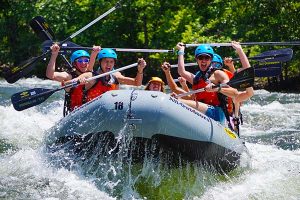
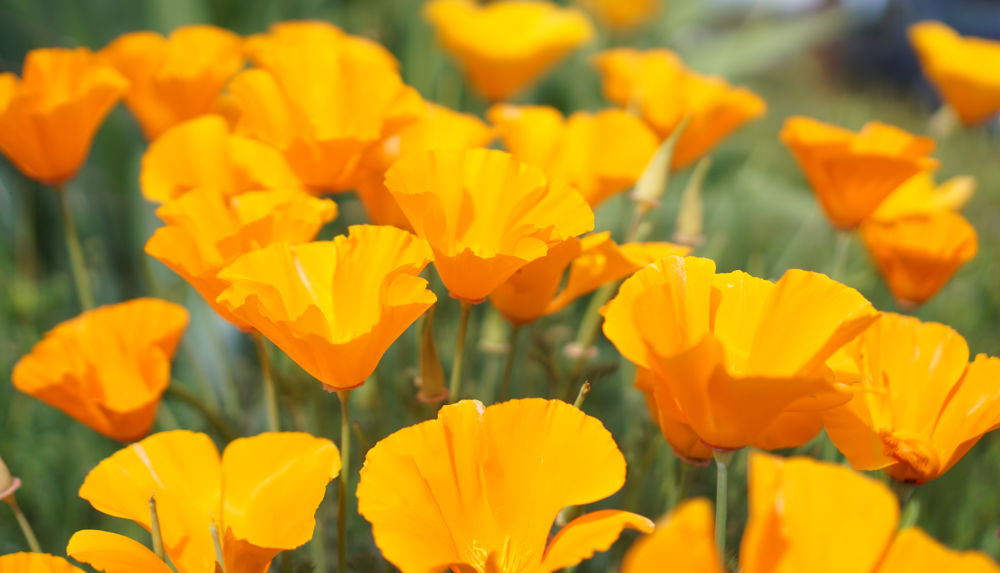
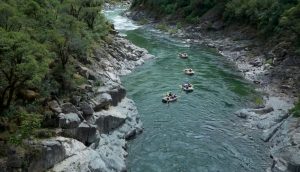
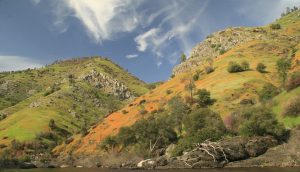
I didn’t truly discover California’s wildflowers until I started river guiding and spending more time in the Sierra Nevada foothills. The first time I rafted the South Fork American River in late February, I was amazed to see hillsides blanketed in yellow poppies and purple wild irises. The shift from fall’s golden brown to these bright colors and scattered waterfalls seemed almost magical.
California’s foothill river canyons are some of the best places to witness this late-winter wildflower phenomenon, but it can be tricky to catch. As soon as the weather warms in March or early April, the poppies open up — and only stick around for a month at most. You have to be ready for a rafting trip on short notice, but boaters are usually good at last-minute things anyway.
Where to See Them
So what are the best rivers for wildflower viewing? I can’t claim to have rafted every canyon in the state where wildflowers grow, but I’ve seen a few and can at least narrow it down for the Northern Sierra Nevada foothills. (If anyone reading this knows of a run I don’t mention, feel free to tell me… just don’t say I’m not really a Californian, because there’s a little girl in me who would cry.)
South Fork American River
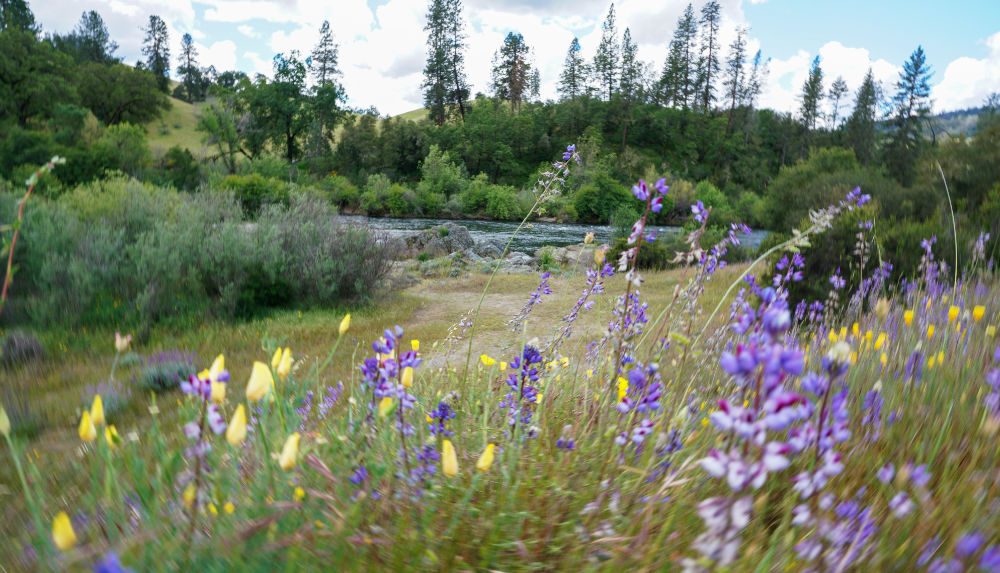
I had beginner’s luck that February on the South Fork American River, which has one of the most prolific wildflower populations of any spring run I’ve seen. Its location below the harder granite rocks of higher elevation makes its hillsides the perfect place for poppies to thrive. Some slopes are almost completely yellow and purple. Add in the waterfalls still flowing at that time of year, and it’s a spectacular sight.
If you raft the South Fork early in the season, the Upper section is best for wildflowers. (The Lower section begins to narrow into a gorge, where rock walls replace the gentle hillsides.)
Cosumnes River
Another worthwhile run is the Cosumnes River, a drainage south of the American and north of the Mokelumne. I’ve only seen this river from above while rock-climbing a few springs ago, but several people have recommended it. Beth Rypins, previously a member of the U.S. Women’s Whitewater Rafting Team, described the wildflowers there as “stunning in February and March.”
Mokelumne River
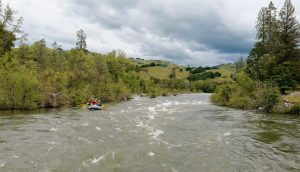
There are a few different places to put in on the Mokelumne, depending on what kind of whitewater you’re after. For a gentle Class II float through beautiful wildflower country, you can launch at Latrobe Road and raft to Highway 16. If you’d prefer a more high-paced Class IV start, you can put in at Highway 49 — but watch out for that first rapid right around the corner.
Don’t Forget Your Camera
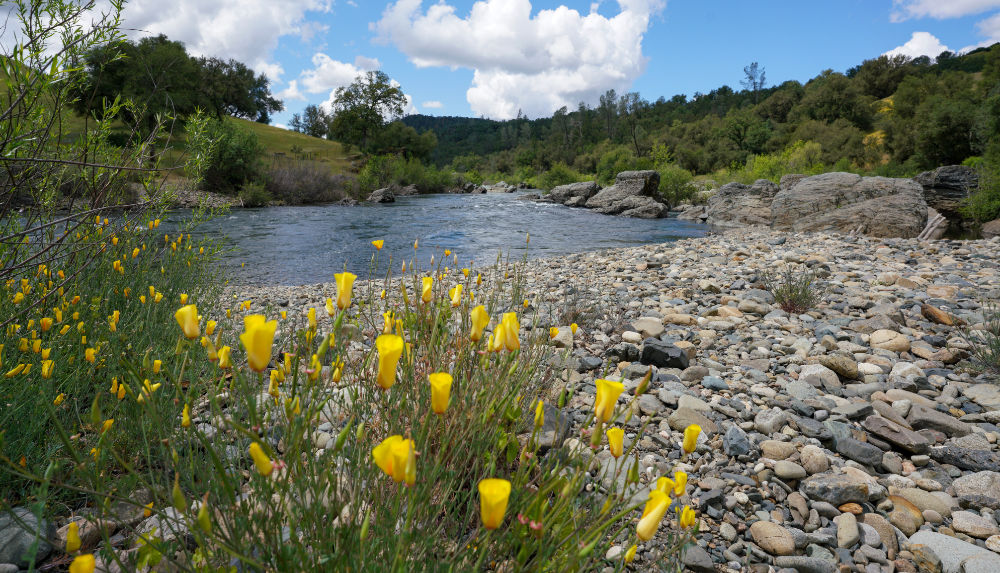
Wherever you go, bring a camera and some warm gear. Wildflower season is short, but it’s one of the most colorful ways to experience California’s rivers. Happy wildflower hunting!
Keep Reading – There Is More to Explore:
Lenka Bostian
Lenka started working for All-Outdoors in the summer of 2005 when she followed her heart from her native Czech Republic out to California. After graduating college in Prague, she packed up her degree in International Business and moved across the pond for good. She’s been part of the AO family ever since, wearing different hats along the way. Besides trail running, tennis, and traveling, Lenka enjoys rafting and camping on the South Fork with her hubby (former AO guide) and their twin boys.